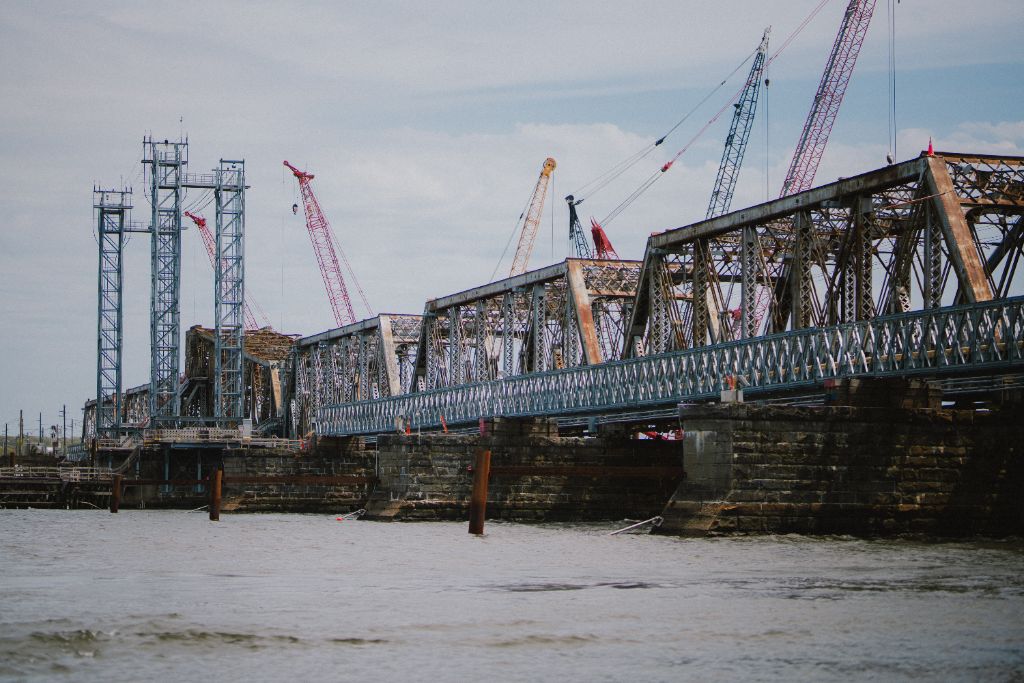
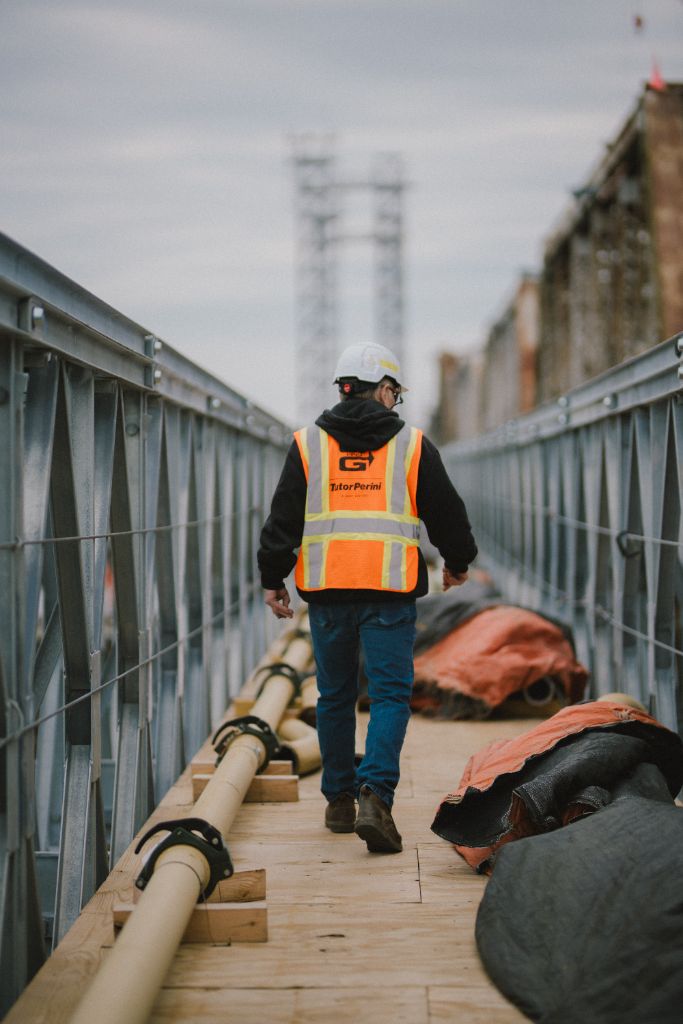
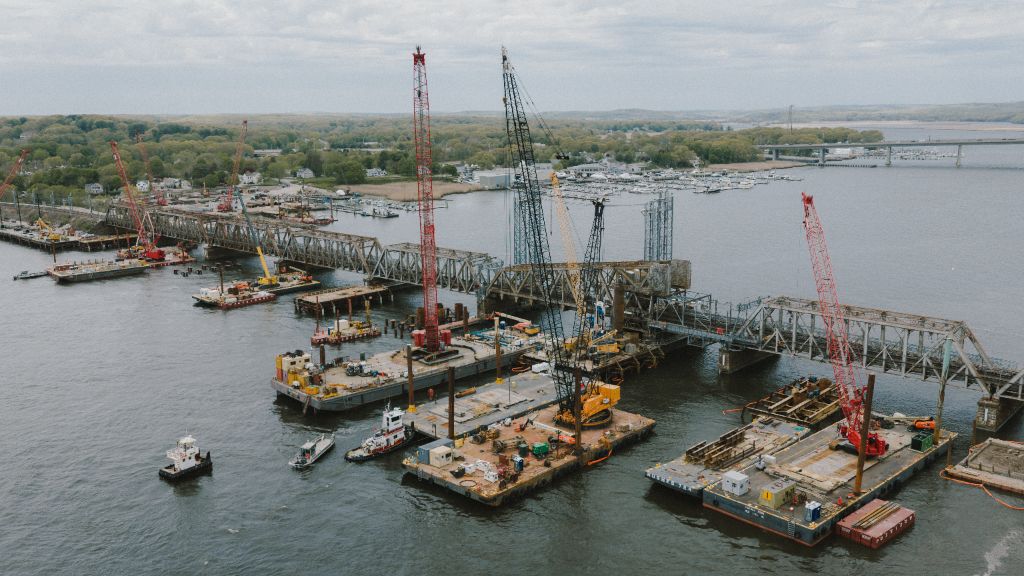
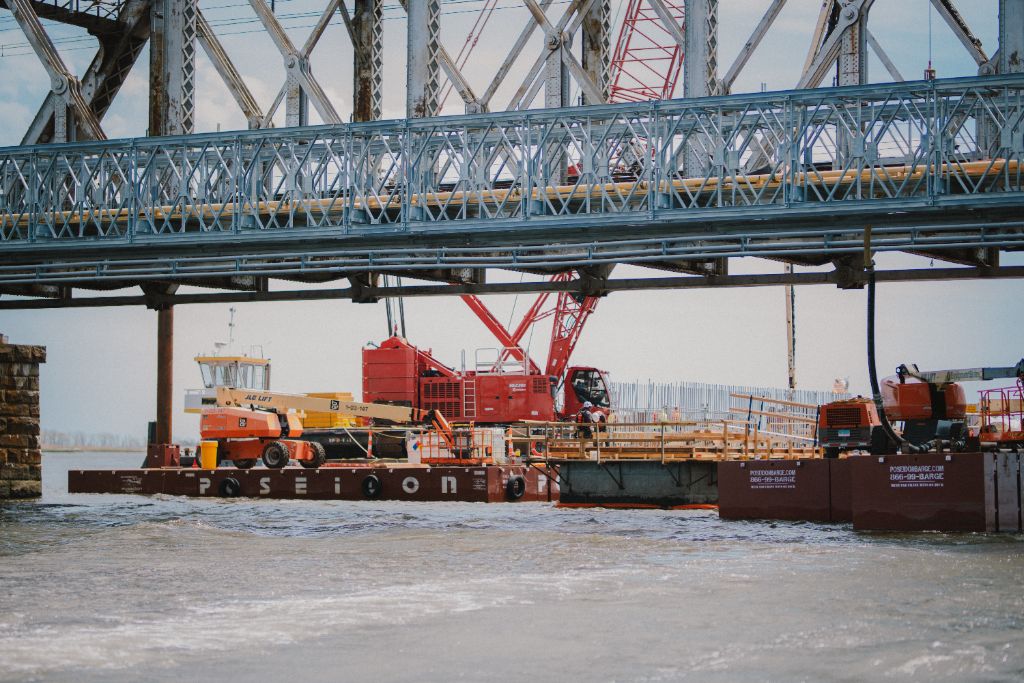
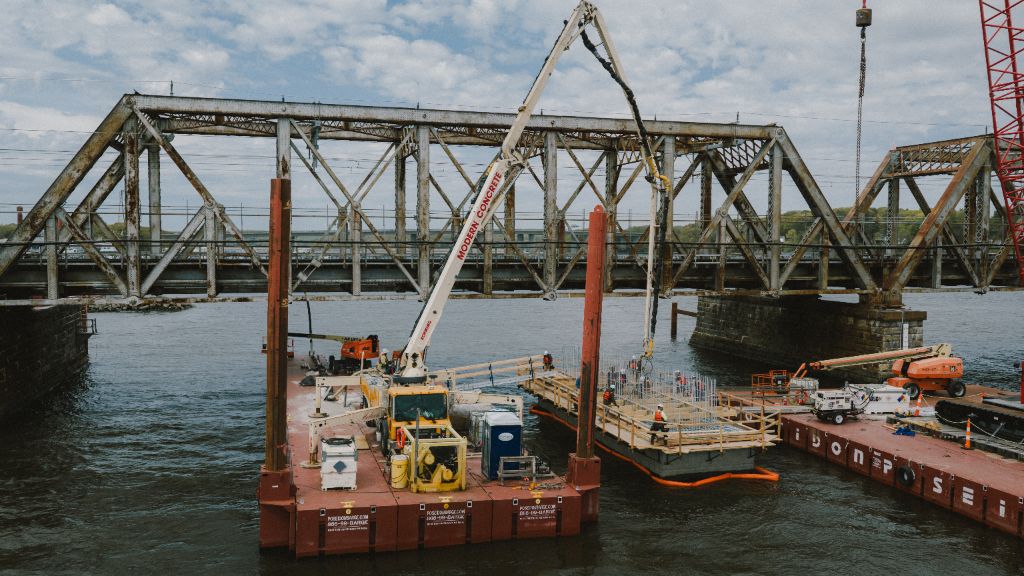
Aerial View — Construction Progress
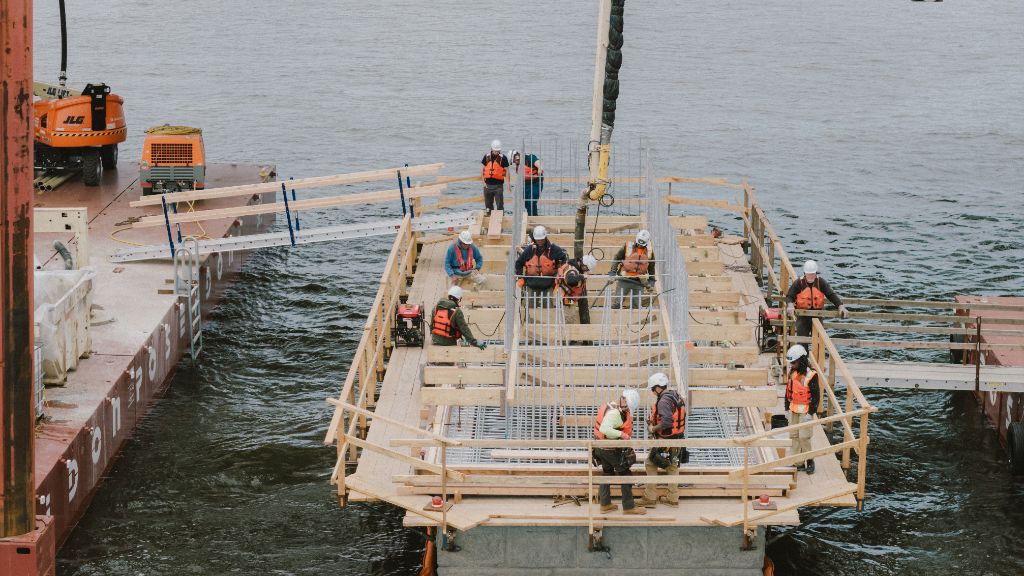
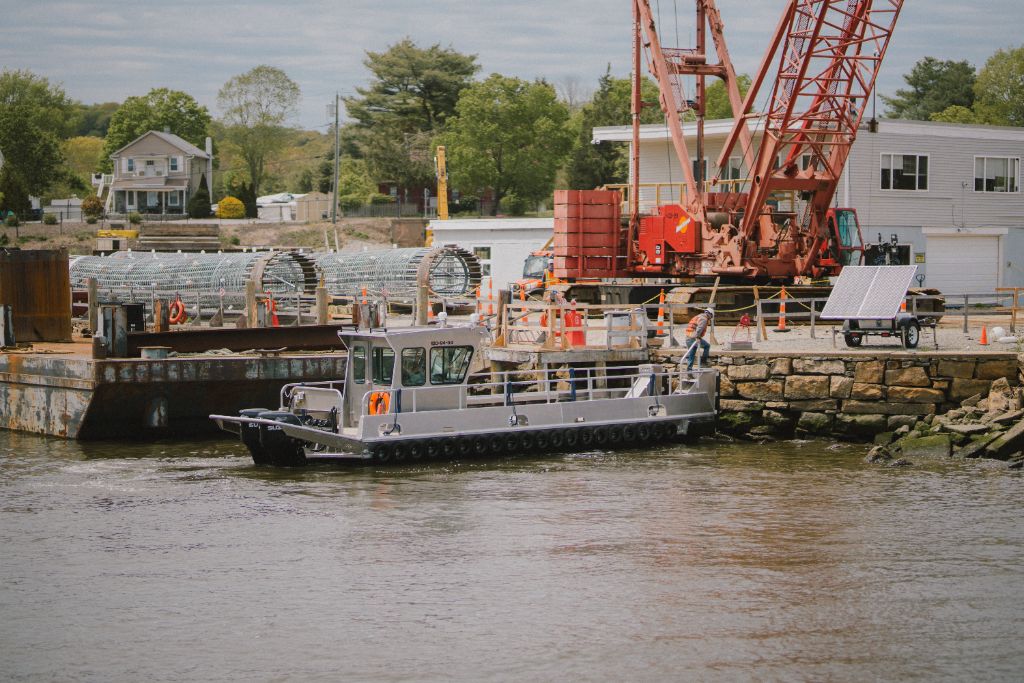
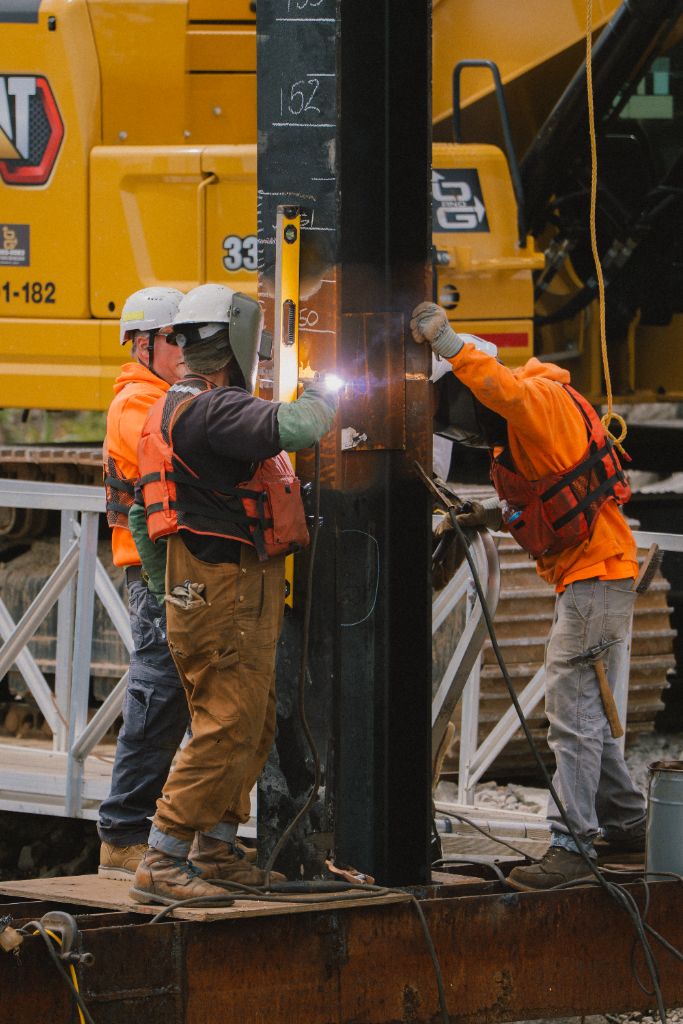
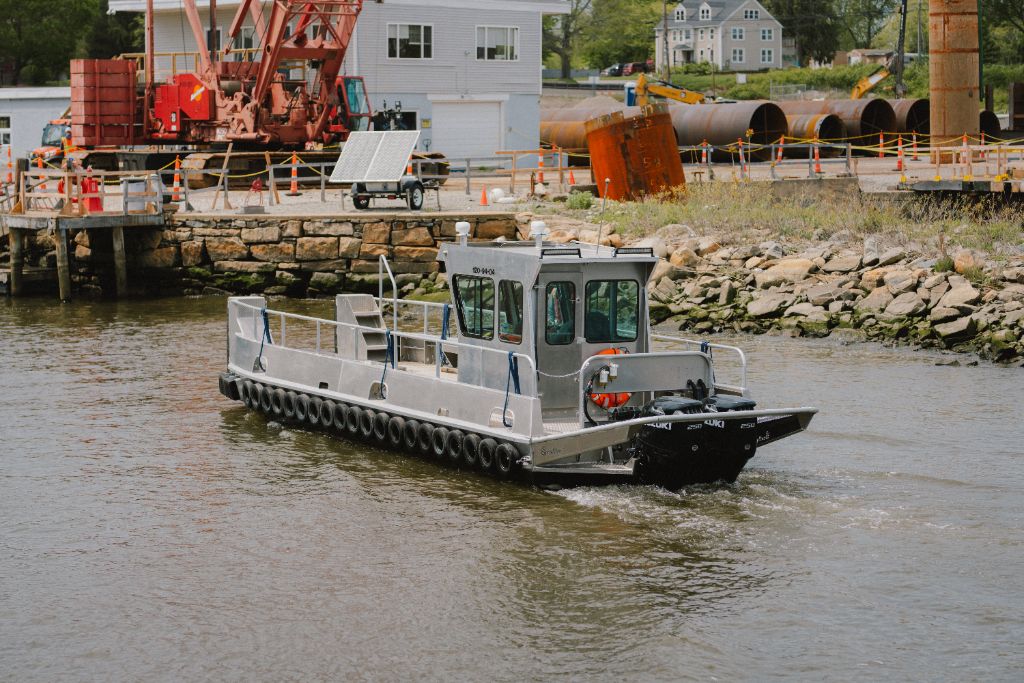
Overhead photography showing marine platform network, pile installation progress, and access road construction on both Old Saybrook and Old Lyme shores of the Connecticut River.
New England's Most Significant Rail Infrastructure Project
Replacing a 116-year-old movable bridge with a modern bascule design to increase train speeds by 55%, eliminate chronic delays, and strengthen the Northeast Corridor for generations to come.
The Connecticut River Bridge (CRB) Replacement Project is a landmark $1.3 billion infrastructure initiative to replace the existing 116-year-old movable rail bridge spanning the Connecticut River between Old Saybrook and Old Lyme, Connecticut.
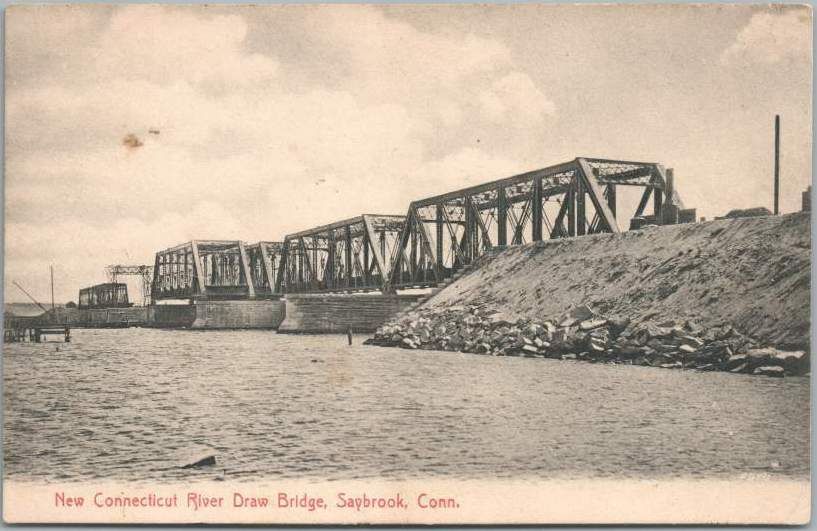
The aging swing bridge—originally built in 1907—is a chronic source of delays on the Northeast Corridor, which serves Amtrak's Northeast Regional, Acela, CTrail Shore Line East commuter service, and freight trains. The new bascule bridge design will dramatically improve reliability and speed for the more than 50 trains that traverse the corridor daily.
Funded primarily through an $826.64 million Federal Railroad Administration grant under the Bipartisan Infrastructure Law, this project represents one of the largest single investments in Northeast rail in a generation.
The CRB Replacement Project encompasses a wide range of complex marine, structural, and civil engineering activities across both banks of the Connecticut River.
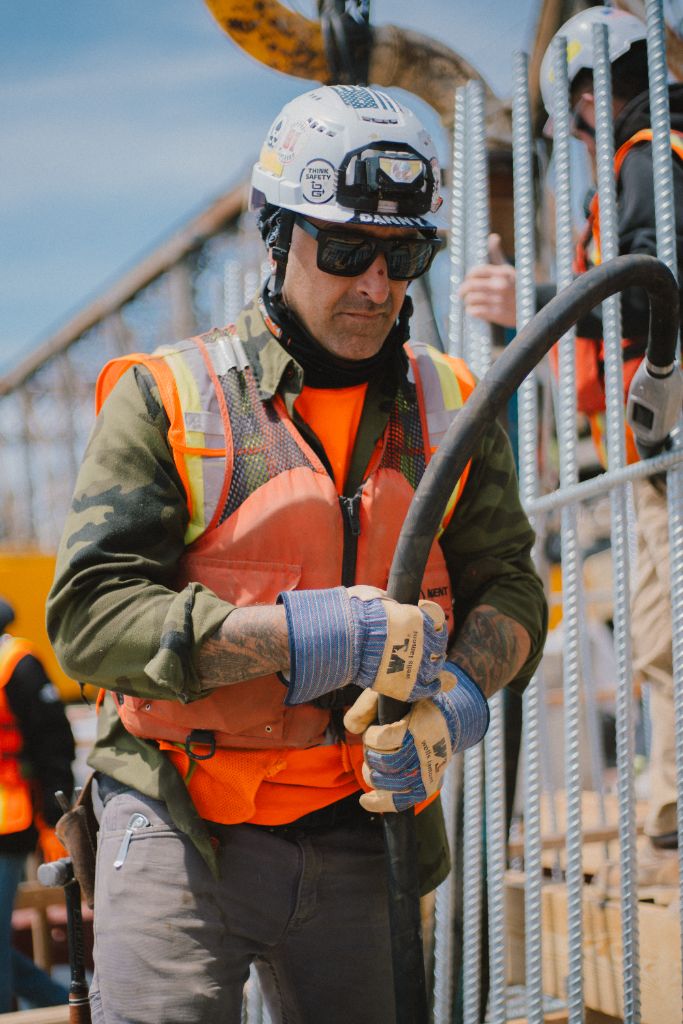
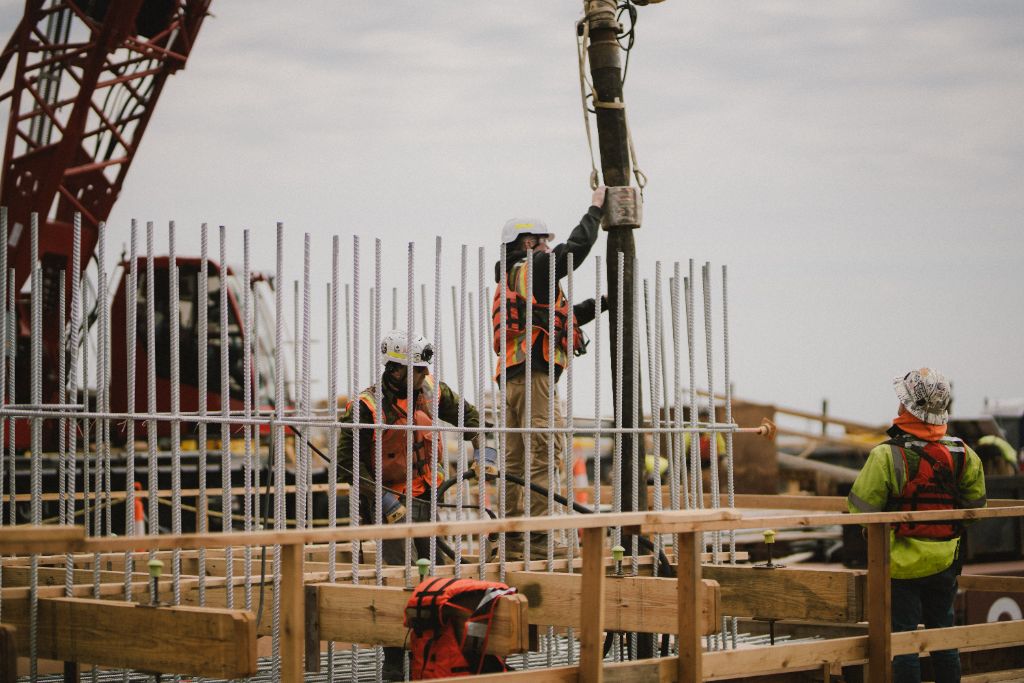
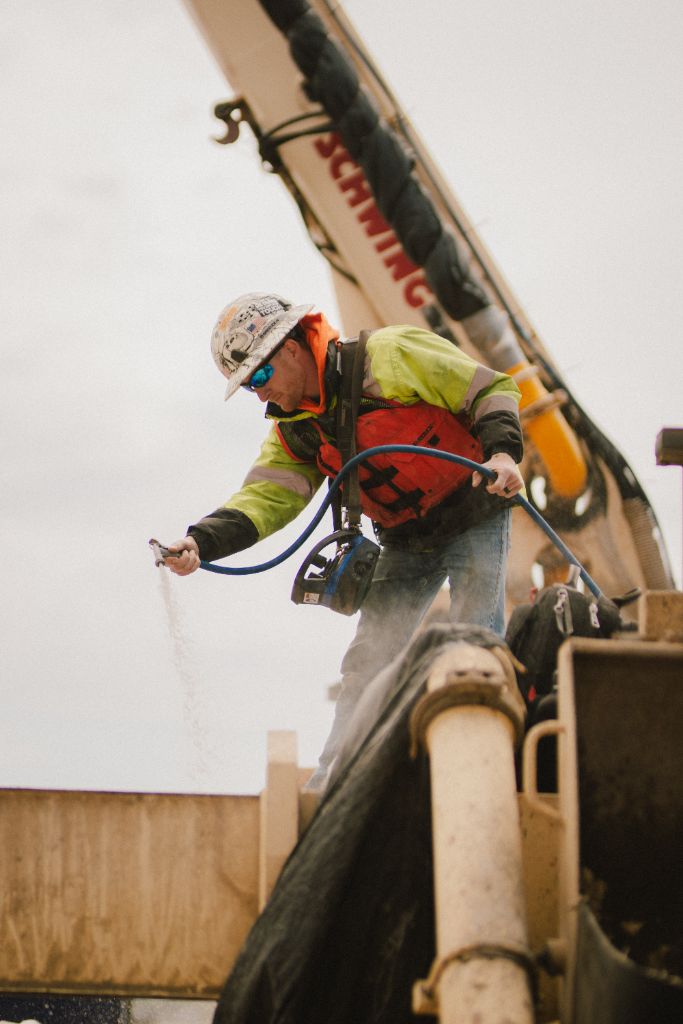
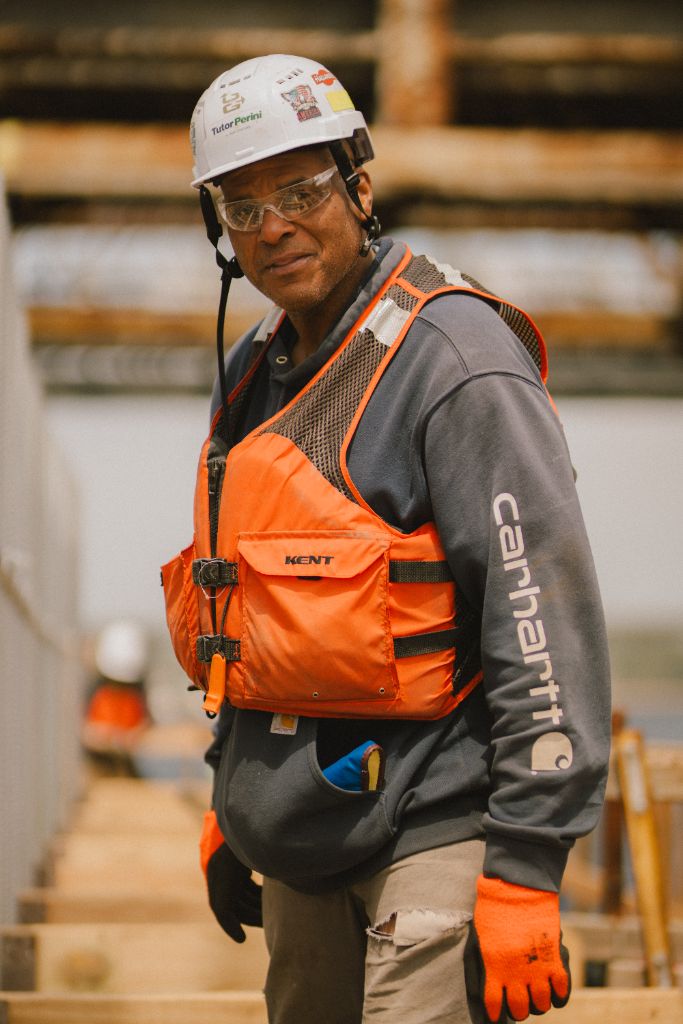
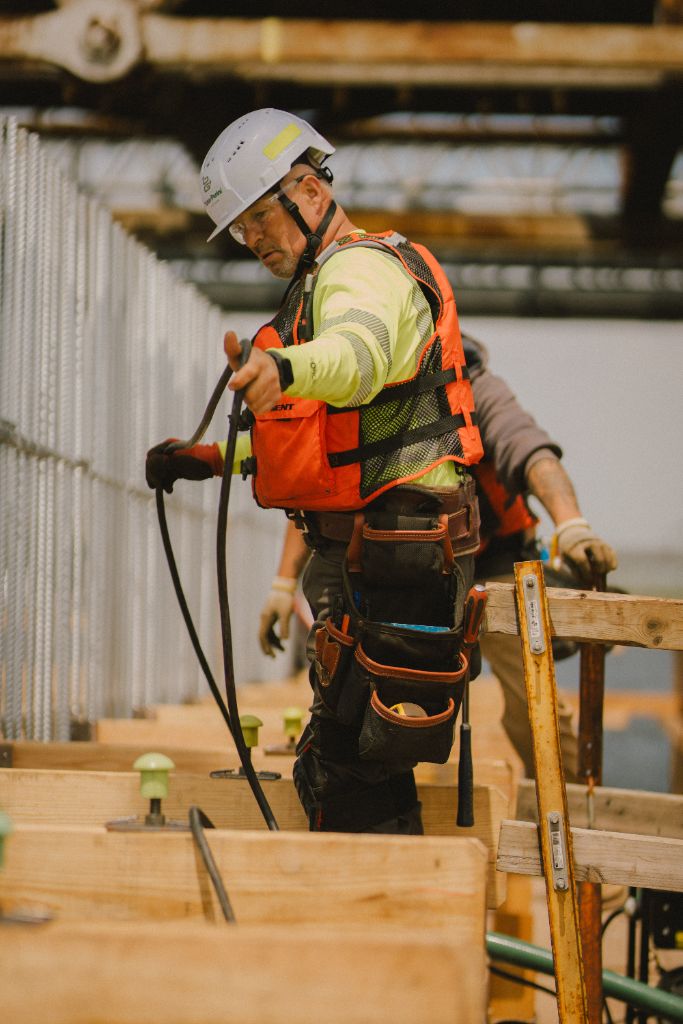
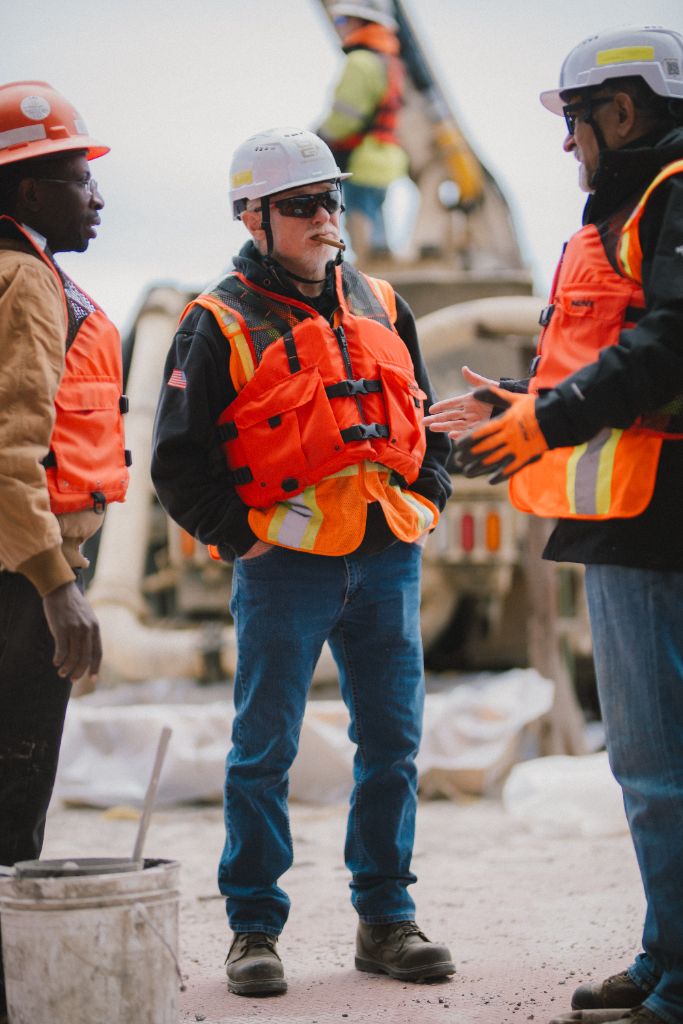
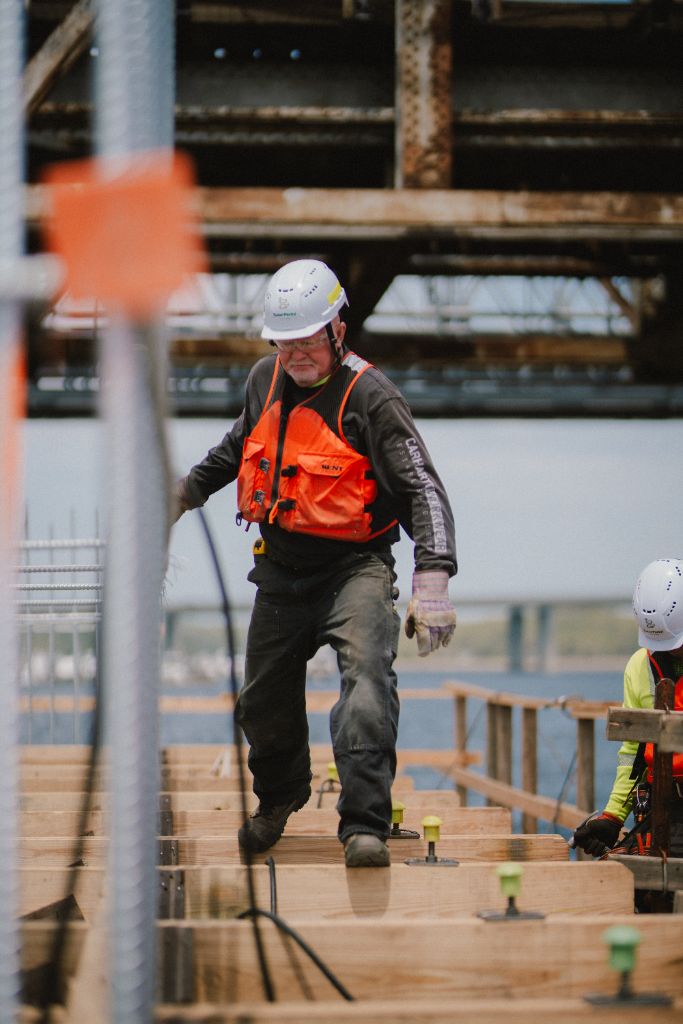
Installation of 54 structural piles from marine work platforms. As of November 2025, 38 piles (≈70%) have been driven. Each platform supports cranes rated up to 350 tons.
Design and construction of a new modern bascule (drawbridge) structure to replace the obsolete 1907 swing bridge, enabling train speeds 55% faster than today.
Steel approach spans fabricated off-site in Russellville, Alabama and Williamsport, Pennsylvania at specialized facilities, then shipped by barge to the installation site.
Construction of 1.2+ miles of temporary access roads in Old Saybrook and Old Lyme, plus installation of 40+ marine work platforms to enable safe in-water operations.
Controlled partial demolition of the existing 116-year-old structure, including dredging operations and careful sequencing to maintain uninterrupted rail service throughout.
Creation of a 3.25-acre tidal wetland mitigation site at 17 Shore Road, Old Lyme—featuring new tidal ponds, channels, culverts, and tidal wetland plantings to offset project impacts.
Project Owner
The National Railroad Passenger Corporation oversees the CRB Replacement as a critical upgrade to the Northeast Corridor, America's busiest rail line.
amtrak.comGeneral Contractor (JV Lead)
Connecticut-based O&G Industries leads the joint venture general contractor team, bringing deep regional expertise and marine construction experience.
ogind.comGeneral Contractor (JV Partner)
A leading civil construction firm with extensive experience in complex transportation and marine infrastructure projects across the United States.
tutorperini.comPrimary Funder
The FRA provided an $826.64 million grant through the Bipartisan Infrastructure Law—one of the largest rail grants in the program's history.
fra.dot.govEngineering Consultants
Specialized engineering firms responsible for structural design, environmental permitting, geotechnical assessment, and construction oversight across multiple disciplines.
Corridor Operator
The Shore Line East commuter rail service connecting New Haven and New London relies on this corridor daily and will benefit from the improved infrastructure.
cttransit.comA key feature of the CRB project is its multi-state off-site fabrication strategy, which minimizes disruption to active rail service while ensuring precision manufacturing of critical bridge components.
Primary approach span steel fabrication facility. Heavy structural steel sections manufactured to exacting tolerances before barge shipment to Connecticut.
Secondary approach span and structural steel fabrication. Components manufactured and staged before transport to the Connecticut River site.
Bascule girder assembly and specialized bridge components manufactured at dedicated facilities in Florida and other states, then barged to the installation site.
The Connecticut River swing bridge was built as part of the New Haven Railroad's Shore Line, becoming a vital link in what would become the Northeast Corridor.
The bridge handled increasing rail traffic as the Northeast grew. The swing bridge mechanism, while functional, became a growing source of operational constraints.
Following the creation of Amtrak, the bridge became part of the federally operated Northeast Corridor. Aging infrastructure became an increasing operational concern.
The aging swing bridge became one of the most notorious chokepoints on the corridor, causing frequent delays for Acela, Regional, and commuter rail passengers.
The landmark federal legislation unlocks historic rail funding, making the $826.64M FRA grant for the CRB replacement possible.
O&G Industries and Tutor Perini joint venture mobilizes on the Connecticut River. Marine platforms deployed, access roads established, and pile driving commences.
Full-scale construction underway: 70% of piles complete, marine platforms operational, approach span fabrication ongoing at multiple facilities. Channel closure scheduled December 2025.
New bascule bridge operational, delivering 55% faster train speeds, eliminating the swing bridge chokepoint, and modernizing the Northeast Corridor for the next century.
Follow the latest milestones, photography, and construction progress reports from the Connecticut River Bridge Replacement Project.
Overhead photography showing marine platform network, pile installation progress, and access road construction on both Old Saybrook and Old Lyme shores of the Connecticut River.
All 40+ marine work platforms have been installed across the Connecticut River, each capable of supporting cranes rated for loads up to 350 tons for pile driving operations.
38 of 54 required structural piles have been installed as of November 2025. Pile driving operations continue daily with remaining piles targeted for completion in early 2026.
Over 1.2 miles of temporary access roads have been constructed across both Old Saybrook and Old Lyme, providing critical construction equipment access to the river's edge.
Steel approach span fabrication progressing at facilities in Russellville, Alabama and Williamsport, Pennsylvania. Components to be shipped by barge to the Connecticut River site.
The 3.25-acre tidal wetland mitigation site at 17 Shore Road, Old Lyme is taking shape, with new tidal ponds, channels, culverts, and wetland plantings installed per permits.
A 10-day navigable channel closure is scheduled December 5–15, 2025 to allow critical in-river construction activities. Mariners advised to plan accordingly.
O&G Industries and Tutor Perini joint venture officially mobilizes on both banks of the Connecticut River. Equipment staging areas established and environmental controls installed.
The Federal Railroad Administration awards a landmark $826.64 million grant under the Bipartisan Infrastructure Law, unlocking the full $1.3 billion Connecticut River Bridge Replacement Project.
Public project information, environmental documents, presentations, and resources related to the Connecticut River Bridge Replacement Project.
Connecticut River
Old Saybrook & Old Lyme, CT
Amtrak — National Railroad Passenger Corporation
One Massachusetts Ave NW
Washington, DC 20001
Active marine construction site. Operations subject to weather and tidal conditions. Rail service maintained 24/7 throughout the project duration.
Mariners transiting the Connecticut River should consult the U.S. Coast Guard for current notices to mariners regarding temporary construction-related navigational restrictions.